What to Look for When Choosing a Desert Buggy in Dubai
Riding a buggy over the red sand dunes near Dubai is a popular way to experience the desert. The vehicles used for these trips are not the same as a standard off-road buggy you might see elsewhere. They are built to handle soft sand, steep slopes, and long stretches of open desert. If you are planning to rent one or join a desert tour, knowing what separates a good machine from a disappointing one can save you time and keep the ride enjoyable.
Start With the Type of Buggy
Not every buggy is designed for the same kind of terrain. Some are built for hard-packed dirt tracks, while others are made specifically for deep sand. In Dubai, the dunes can shift under your wheels, so you want a buggy that has enough power and the right wheel setup to keep moving forward without getting stuck.
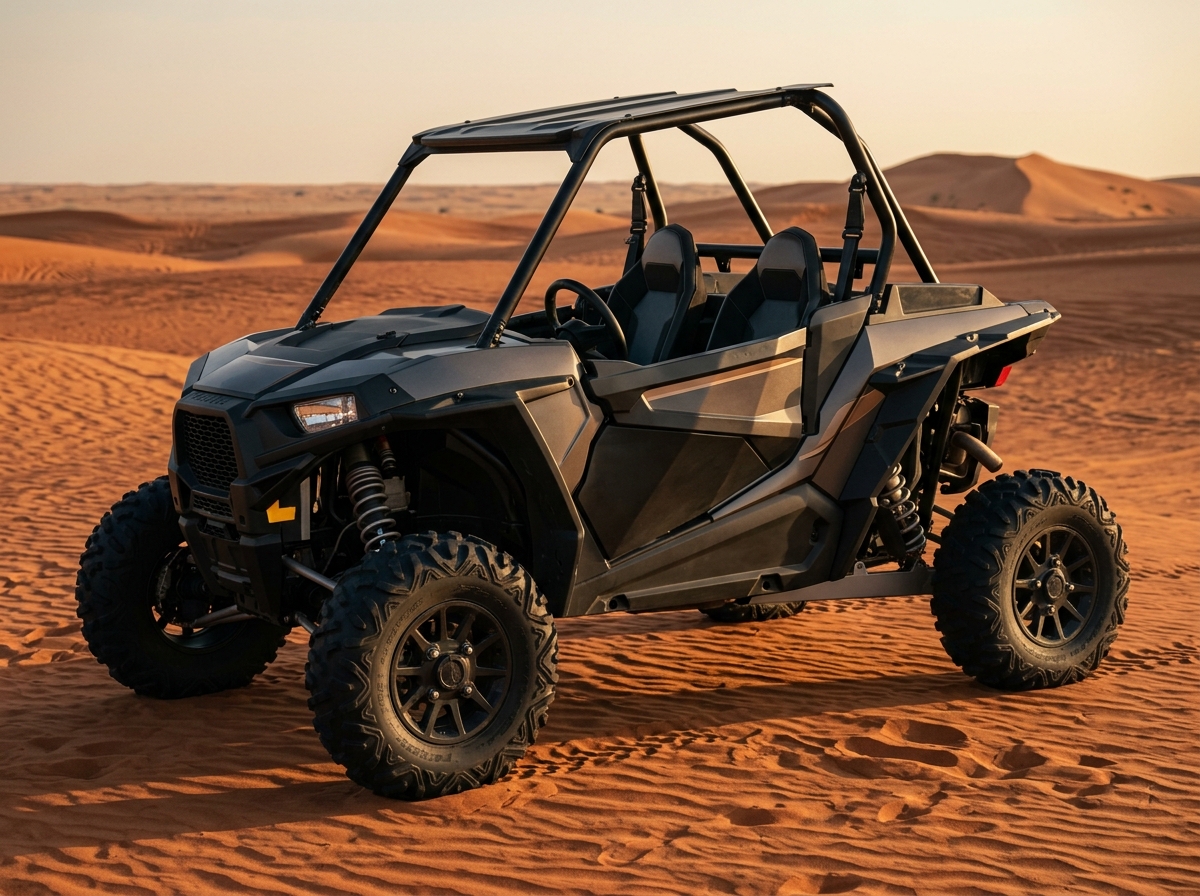
Look for a buggy with wide, deep-tread tyres. Narrow tyres tend to dig into soft sand rather than float on top of it. A wider footprint gives you more stability and makes it easier to climb dunes without losing momentum. The chassis should be high enough off the ground so the underside does not drag over the crest of a dune. A low-slung buggy will bottom out quickly on uneven sand.
Engine Power and Cooling
Engine size matters more in the desert than on a gravel track. Sand creates extra drag because the wheels sink slightly with every turn. A buggy with a small engine will struggle to maintain speed on long uphill stretches. Look for models with at least a medium-sized engine that can deliver steady torque across a range of speeds.
Heat is another factor. The desert sun and the sand itself reflect heat upward, so the engine works harder to stay cool. Some buggies come with upgraded radiators or additional cooling fans. If you plan to ride for more than an hour, good cooling can make the difference between a smooth trip and one where the engine starts to overheat and lose power.
Safety Features You Should Check
Riding over dunes involves sudden drops and sharp turns. A few basic safety features are worth checking before you set off.
- A proper roll cage. This is a metal frame that surrounds the driver and passenger. It should be made of thick tubing and bolted securely to the chassis. If the frame feels flimsy or has visible rust, that is a sign the buggy has seen hard use without proper maintenance.
- Harnesses. A basic lap belt is not enough. Look for a four-point or five-point harness that holds you firmly in the seat. In the desert, unexpected bumps can throw you sideways, and a good harness keeps you centred.
- Helmet and padding. A helmet is standard on most desert tours, but check that it fits snugly. Some operators provide helmets that are too loose, which reduces protection. The interior of the buggy should have padded edges around the roll cage and the steering wheel area.
These items are not optional extras. They are the minimum you should expect from any reputable operator or rental service.
Comfort and Ride Quality
Spending an hour or more bouncing across dunes can be tiring if the buggy has poor suspension. Look for a buggy with independent suspension on all four wheels. That means each wheel moves separately, which helps the vehicle stay level when one side hits a dip or a ridge. Without it, every bump gets transmitted straight to your spine.
Seating position also matters. A buggy where you sit low and slightly reclined tends to feel more stable on steep slopes than one where you sit upright. Upright seats shift your centre of gravity higher, which can feel tippy on side slopes. Try sitting in the buggy before you commit to a ride. If you feel cramped or your knees hit the dashboard, it will only get worse over an extended trip.
Understanding the Desert Environment
The desert is not a flat, empty space. It is a constantly changing landscape of tall dunes, small ridges, and soft patches called "soft sand" where the surface gives way easily. A good buggy should handle these conditions without constant corrections from the driver.
One sign of a well-chosen buggy is how it handles when you crest a dune. You should not have to floor the accelerator to avoid getting stuck on the far side. The vehicle should have enough momentum from the approach to carry you over smoothly. That comes down to a combination of engine power, gearing, and the driver's skill. But the buggy itself should not make the job harder.
Sandboarding is a side activity often added to desert tours. If you think you might want to try it, check whether the tour operator includes time for it. Some buggy rentals are purely about driving, while others build in stops at good slopes for sandboarding. That is a small detail but it can change the pace of the whole afternoon.
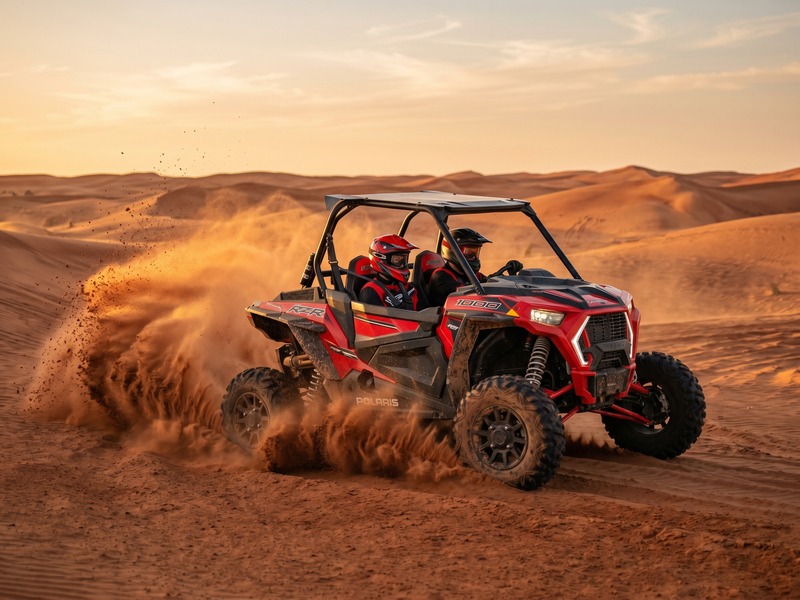
For more information on what to expect from a desert buggy experience, the Dune Buggy Adventure official site provides a clear overview of the vehicles and the terrain they operate on. It is a useful reference if you are comparing different operators or trying to understand the typical setup used on guided rides.
Rental Conditions and What They Tell You
Before you hand over any money, read the rental agreement or booking terms carefully. Some points to watch for include:
- Damage waivers. Many operators charge for any damage to the buggy, even small scratches. Others include a damage waiver in the rental price. Know which one you are agreeing to.
- Fuel policy. Some trips include fuel, others expect you to return the buggy with a full tank. Desert driving uses more fuel than driving on pavement, so factor that into your planning.
- Age and licence requirements. Most operators require a valid driving licence. Age limits vary. Check these before you book to avoid disappointment on the day.
These conditions are not about the buggy itself, but they affect your overall experience. A great buggy paired with unfair rental terms can sour the whole trip.
Checking the Buggy Before You Ride
Once you are at the site, take a few minutes to inspect the buggy you will be driving. Look for signs of wear that suggest poor maintenance. Cracks in the frame, leaking fluids under the engine, or tyres that are badly worn are all red flags. A well-maintained buggy should look clean and have no obvious damage.
Test the steering before you move. It should turn smoothly without excessive play. The brakes should feel firm, not spongy. If the controls feel loose or unresponsive, ask for a different buggy. It is not rude to check these things. It is sensible.
The Dune Buggy Adventure official site also outlines the kind of preparation they recommend before a ride, such as wearing long sleeves and sunscreen. While that is not directly about the buggy itself, it shows that the operator thinks about the whole experience, not just the vehicle.
Final Practical Tips
Choose a time of day that avoids the worst heat. Early morning or late afternoon are the most comfortable for both you and the buggy. The sand is cooler, the sun is lower, and the light makes the dunes look more dramatic. Avoid midday rides in summer unless the buggy has air conditioning, which some higher-end models do offer.
If you are new to desert driving, go with an operator who provides a guide vehicle or leads the group. Following an experienced driver helps you learn the right lines over the dunes and keeps you from getting stuck in soft sand. It also adds a layer of safety because the guide can spot hazards you might miss.
Remember that the desert is a fragile environment. Stick to designated tracks and avoid driving over vegetation. Responsible riding keeps the dunes intact for future visitors and reduces the impact on local wildlife.
Choosing the right buggy comes down to matching the vehicle to the terrain, checking the safety gear, and dealing with an operator who maintains their equipment well. Take your time, ask questions, and inspect the buggy before you ride. That approach will give you the best chance of a smooth, enjoyable trip across the dunes.